Kitchen note
Getting the Most Out of Your Dutch Oven
Heavy, versatile, and practically indestructible, an enameled Dutch oven is the backbone of great home cooking. Here is what to look for, how to use it daily, and how to protect the enamel for decades.
A good enameled pot will outlive almost everything else in your kitchen if you protect the enamel from thermal shock and metal tools.
Tested by Kitchen team
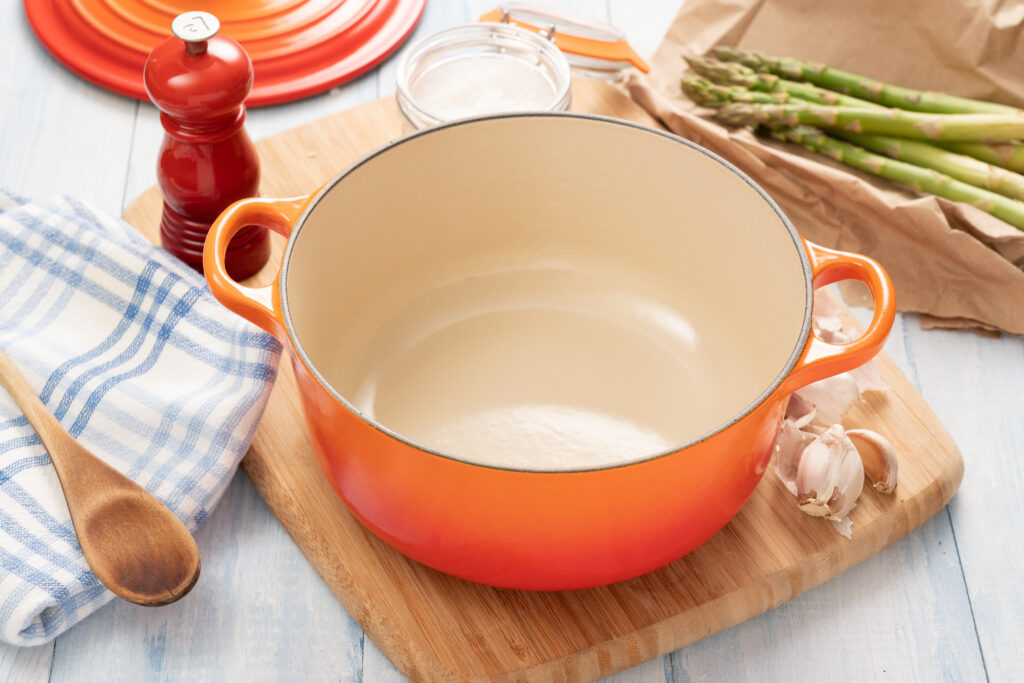
If you had to strip your kitchen down to a single heavy pot, an enameled Dutch oven is the one that earns its permanent place on the back burner. It holds heat with stubborn consistency, moves effortlessly from a hot stovetop sear to a gentle four-hour oven braise, and handles aggressive acid like tomatoes and red wine without stripping away a seasoning layer. Treat it right, and it will quietly outlive every other pan in your cabinets.
What to look for when buying
A Dutch oven is an investment piece, so getting the foundational specs right prevents regrets later on:
- Size: A 5.5 to 6-quart round pot is the universal sweet spot. It offers enough flat floor space to brown four large chicken thighs without crowding, holds a standard loaf of sourdough, and accommodates batch cooking for four to six people without taking over your entire stovetop.
- Shape: Round pots distribute stovetop heat more evenly over standard circular burners. Oval pots look elegant and fit longer cuts like whole poultry or pork roasts, but the overhang can lead to cool zones on normal cooktops.
- Handles and knobs: Choose wide, looped handles that your fingers can grip securely through thick oven mitts. Check the lid knob rating: you want stainless steel or heat-tolerant phenolic knobs rated to at least 450°F (232°C) so you never have to swap hardware when baking bread.
- Interior enamel: A light-colored sand or cream interior makes it dramatically easier to monitor the color of fond, butter browning, and simmering sauces compared to dark interiors.
How to use it well in everyday cooking
While celebrated for Sunday braises and winter stews, keeping this pot locked into a cold-weather rotation underutilizes its range:
- High-heat searing and braising: Preheat the pot slowly over medium heat. Once hot, brown your proteins to build a rich layer of caramelized fond on the bottom, deglaze with wine or stock, scrape the bottom clean, then pop the lid on and transfer the whole vessel to a moderate oven for a slow, even simmer.
- Crusty hearth breads: A preheated Dutch oven functions as a miniature steam-injected baker’s oven. Trapping the moisture evaporating from wet dough keeps the crust soft long enough for the bread to expand fully before the heat sets a crisp, blistered crust.
- Steady deep-frying: The sheer mass of cast iron minimizes temperature drops when cold food hits hot oil, keeping frying temperatures stable and preventing food from soaking up excess oil.
- Slow-simmered grains and beans: Thick walls prevent scorching along the bottom corners, making it ideal for unattended polenta, dried heirloom beans, and rich tomato sauces.
Care, storage, and common mistakes
Enamel is durable glass fused to iron, which means it requires respect for its physical limits. Avoid these frequent pitfalls to keep the finish glossy and chip-free:
- Never heat it empty on high: Cast iron expands as it heats, but glass expands at a different rate. Blasting a dry Dutch oven over high flame can craze or crack the enamel surface. Always preheat gently with a splash of oil or liquid in the base.
- Ditch metal utensils: Metal spoons and whisks will leave dark grey metal transfer marks or chip the enamel. Stick exclusively to wooden spoons, silicone spatulas, and heatproof plastic.
- Beware thermal shock: Never pour cold water directly into a blistering-hot pot, and never set a hot pot down onto a cold stone countertop. Let the pot cool to room temperature before washing.
- Proper storage: Never store the pot with the lid sealed tight if there is any lingering humidity inside. Store it with small plastic lid bumpers or a folded paper towel wedged under the rim to allow airflow and prevent the exposed cast-iron lip from rusting.
Tip
To lift stubborn cooked-on fond or interior discoloration without scratching, cover the bottom with an inch of water, stir in two tablespoons of baking soda, and simmer gently for 10 minutes. Let it cool slightly, and the residue will wipe away easily with a soft sponge.

Our pick
Dutch Oven
We may earn a commission if you buy through this link.